Nhat Truong Pham
Ph.D. Candidate in Integrative Biotechnology specializing in 🤖 Artificial Intelligence 🧠 and 🧬 Molecular Sciences ⚛️

Room 62105, Biotechnology and Bioengineering Building 2, Seobu-ro, Jangan-gu, Suwon-si, Gyeonggi-do, 16419, Republic of Korea
Short Bio: My name is Phạm Nhật Trường - Vietnamese [fâːm ɲʌ̂t ʈ͡ʂɯɤ̀ŋ] (ENG: Nhat Truong Pham; CHN: 范日长; KOR: 범일장). I am a final-year Ph.D. Candidate in the Department of Integrative Biotechnology, College of Biotechnology and Bioengineering, Sungkyunkwan University (SKKU), Republic of Korea, advised by Assoc. Prof. Balachandran Manavalan in the Computational Biology and Bioinformatics Laboratory. Prior to joining SKKU, I served as an Assistant Researcher at Ton Duc Thang University (TDTU), Vietnam. I received my M.Eng. by Research in Automation and Control from TDTU under the supervision of Dr. Sy Dzung Nguyen and co-supervision of Assoc. Prof. Duc Ngoc Minh Dang, and my B.Eng. in Electronics and Telecommunication from TDTU under the supervision of Assoc. Prof. Duc Ngoc Minh Dang.
Research Interests: My research focuses on developing explainable and multimodal AI methods to address challenges in molecular biology, biomedicine, and healthcare. My work spans three interconnected areas:
- AI & Machine Learning — deep learning, transformer architectures, language models (large, protein, and genomic), multimodal fusion, explainable AI (XAI), meta-learning, federated learning, and diffusion-based generative models.
- Computational Biology & Drug Discovery — peptide-based therapeutics (anticancer, antidiabetic, and immunomodulatory peptides), protein post-translational modifications (glycosylation, phosphorylation), RNA epitranscriptomics (m6A, 2’-O-methylation, ac4C), molecule-language modeling, drug-target interaction prediction, environmental cheminformatics, infectious diseases (influenza, coronaviruses), and neurodegenerative disorders (Alzheimer’s disease and related dementias).
- Clinical & Biomedical AI — large-scale clinical data analysis (electronic health records, unstructured clinical text, and multi-omics data), medical image analysis (CT-based diagnosis, federated segmentation), and multimodal affective computing.
Inspirational Quotes:
I Must Betray You - Trust no one. Tell no one. Spies are everywhere.- Ruta Sepetys (Rūta Šepetys)
Your origin does not determine what kind of person you are. Only you can decide who you become.- Meng Chih Chiang
Life can be heavy, especially if you try to carry it all at once.- Taylor Swift
Why be sad? Only the incapable have a reason to despair. When you are capable, there is no need for sorrow.- Nhat Truong Pham
Life is a balance of positive and negative aspects. Therefore, it is essential to cherish every moment and embrace it fully.- Nhat Truong Pham
Latest News
| Aug 24, 2026 | One manuscript, entitled “PhoSARte: identification of SARS-CoV-2 phosphorylation sites using contrastive learning and protein language models”, has been accepted for publication in the Briefings in Bioinformatics journal |
|---|---|
| Jul 23, 2026 | One collaborative manuscript, entitled “AquaLNCRpred: A sequence-based framework for lncRNA prediction across diverse aquaculture species”, has been accepted for publication in the Aquaculture journal |
| Jun 29, 2026 | Our project, entitled “An interpretable multimodal deep learning framework for predicting the allergenicity of proteins in plant- and animal-derived foods (식물 및 동물 유래 식품 내 단백질의 알레르기 유발성 예측을 위한 해석 가능한 멀티모달 딥러닝 프레임워크)”, has been selected for the 2026 2nd K-BDS analysis infrastructure utilization support program ([Track I] Large innovation research) by the Korea Bio Data Station (K-BDS), Korea Institute of Science and Technology Information, Republic of Korea |
Selected Publications
(†) denotes equal contribution
(*) denotes correspondance
denotes journal
denotes conference
2026
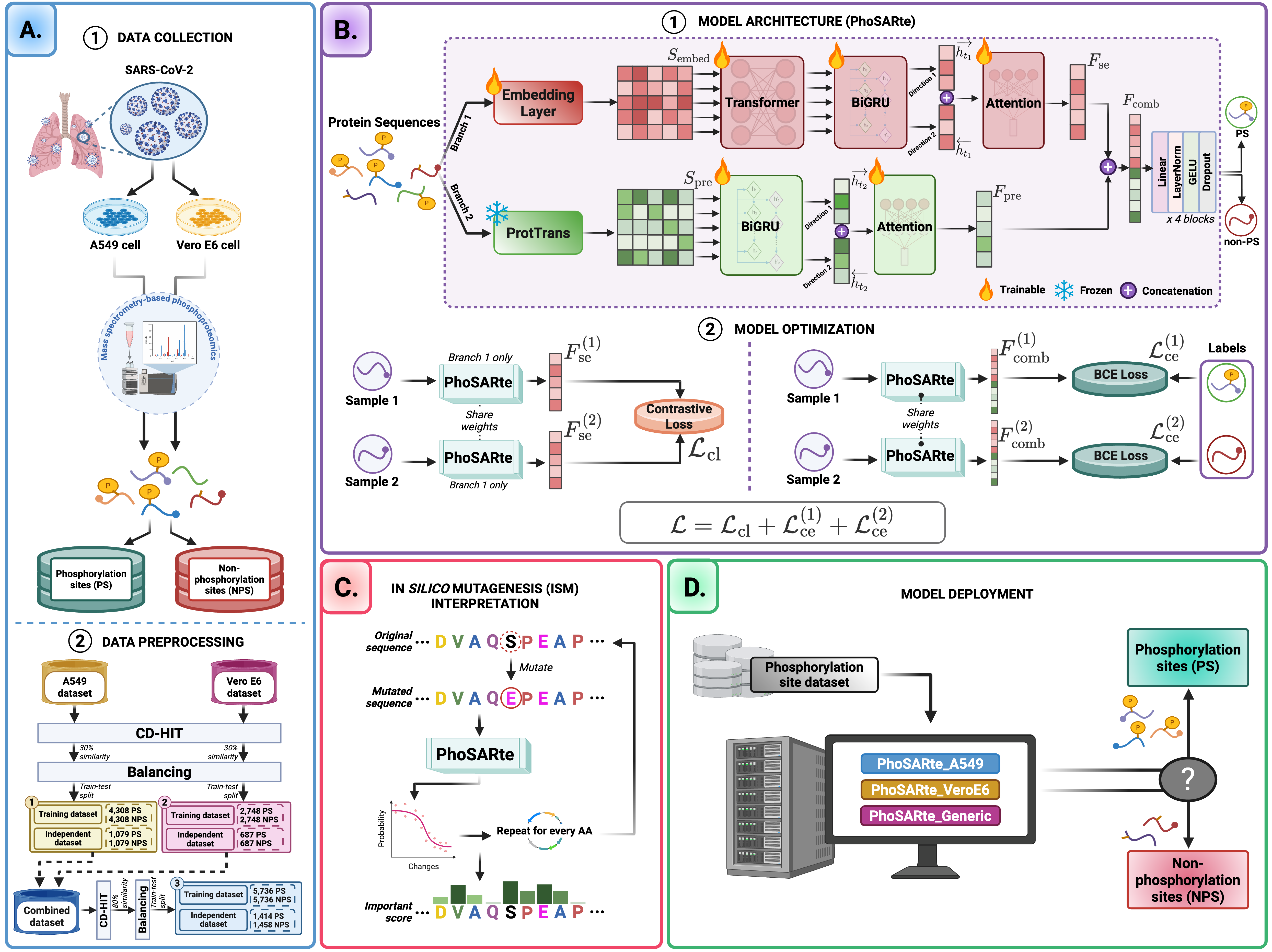
- PhoSARte: identification of SARS-CoV-2 phosphorylation sites using contrastive learning and protein language models
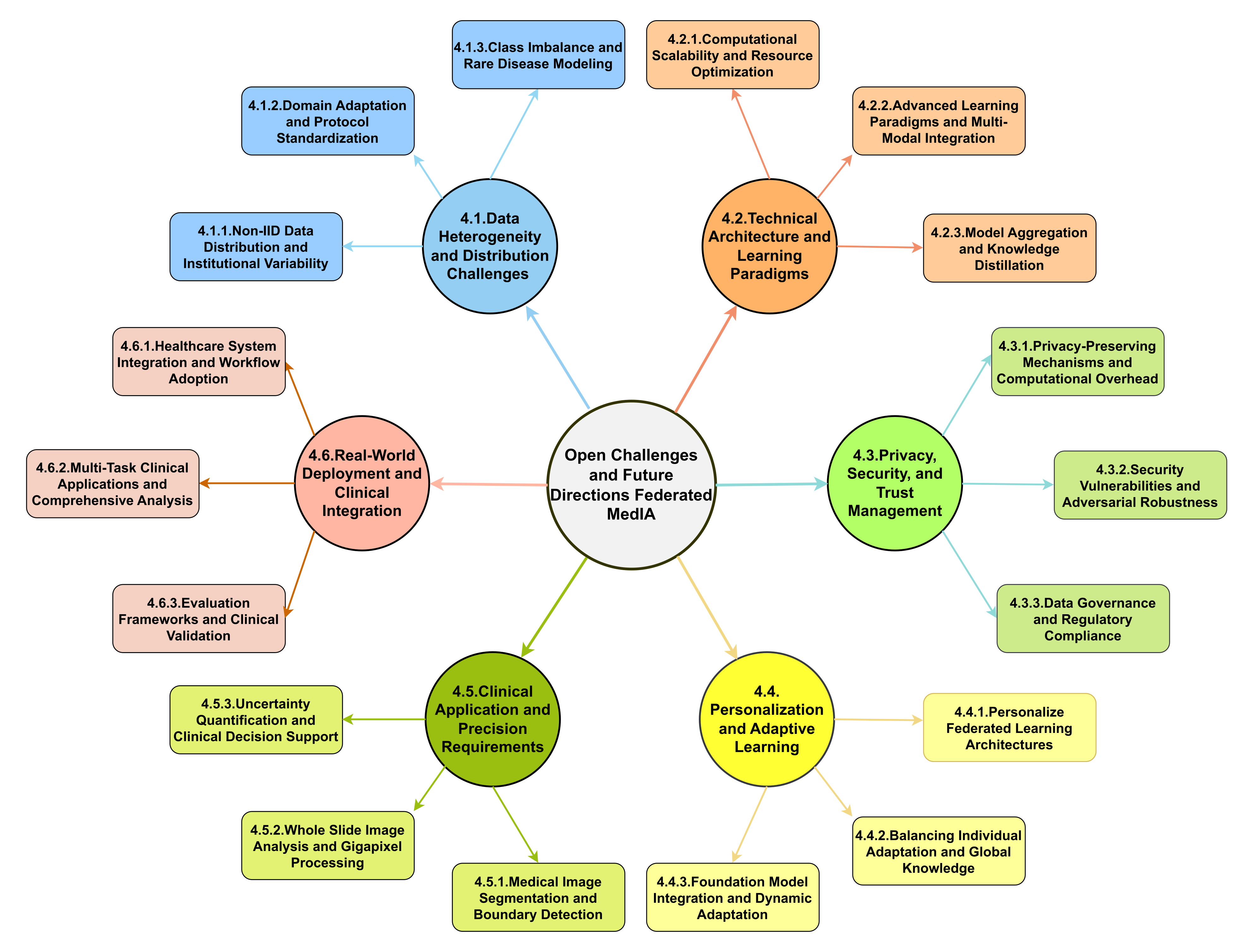
- Federated learning for medical image analysis: Methods, challenges, and future directions
2025
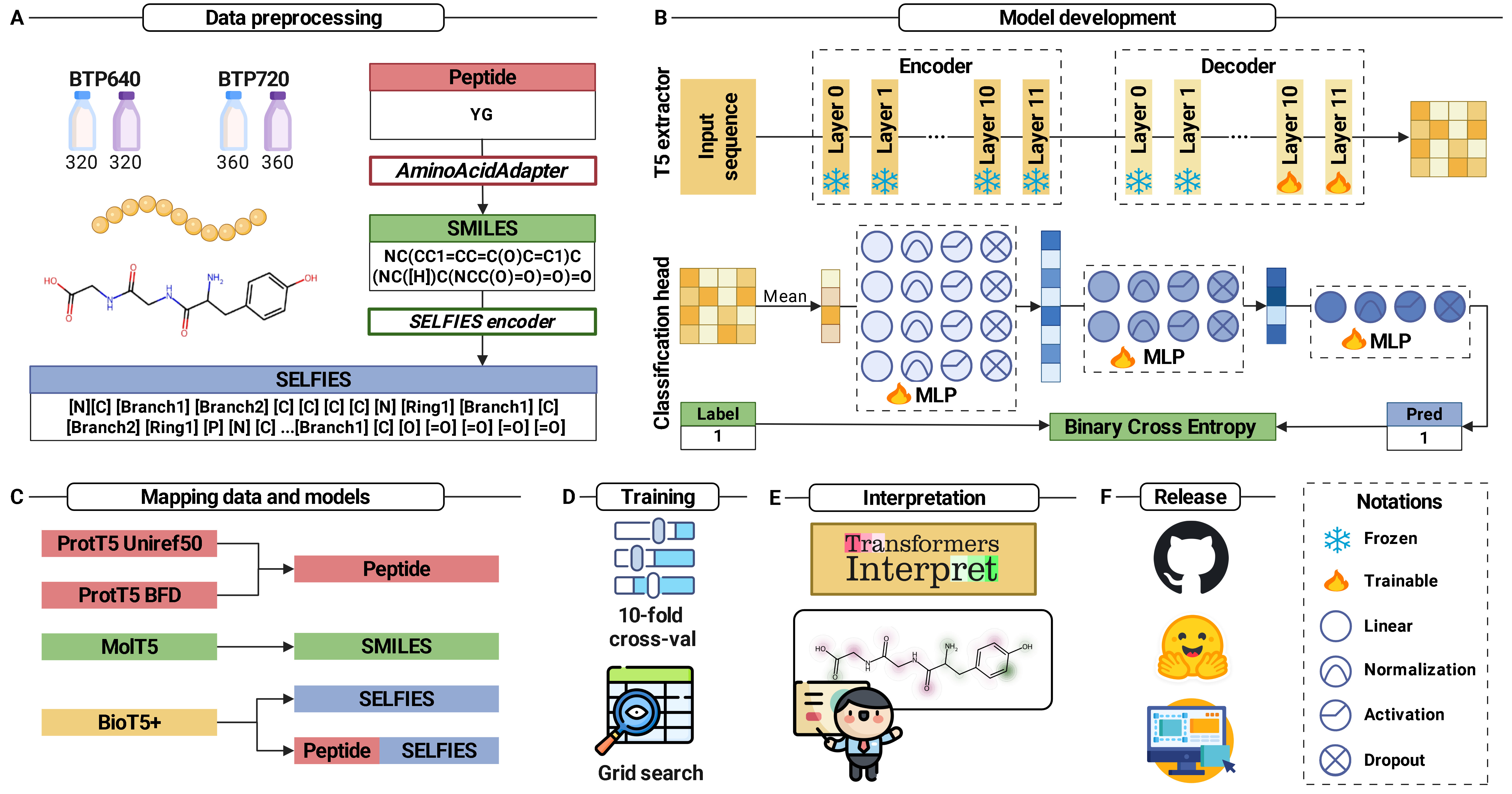
- xBitterT5: an explainable transformer-based framework with multimodal inputs for identifying bitter-taste peptides
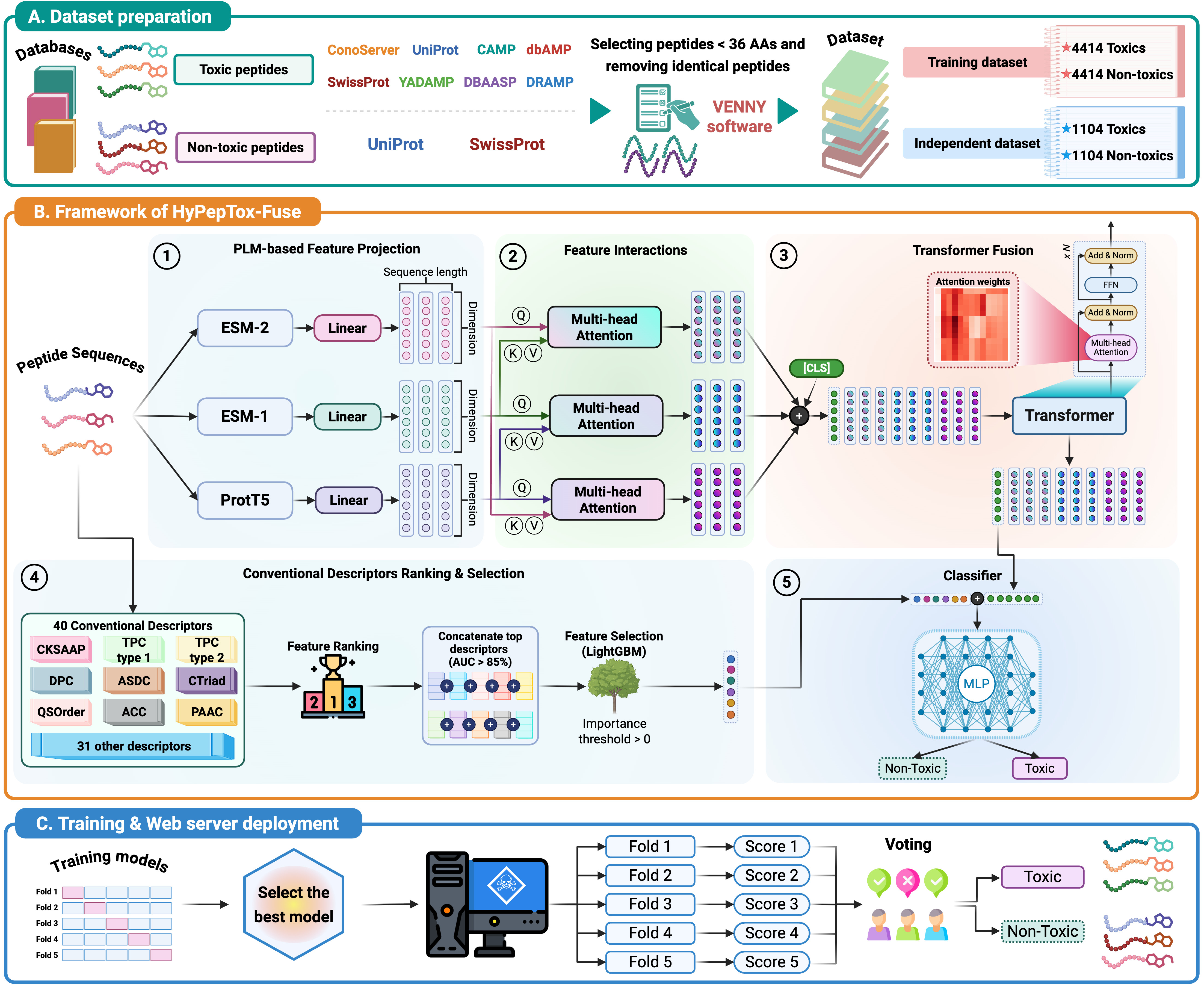
- HyPepTox-Fuse: An interpretable hybrid framework for accurate peptide toxicity prediction fusing protein language model-based embeddings with conventional descriptors
2024
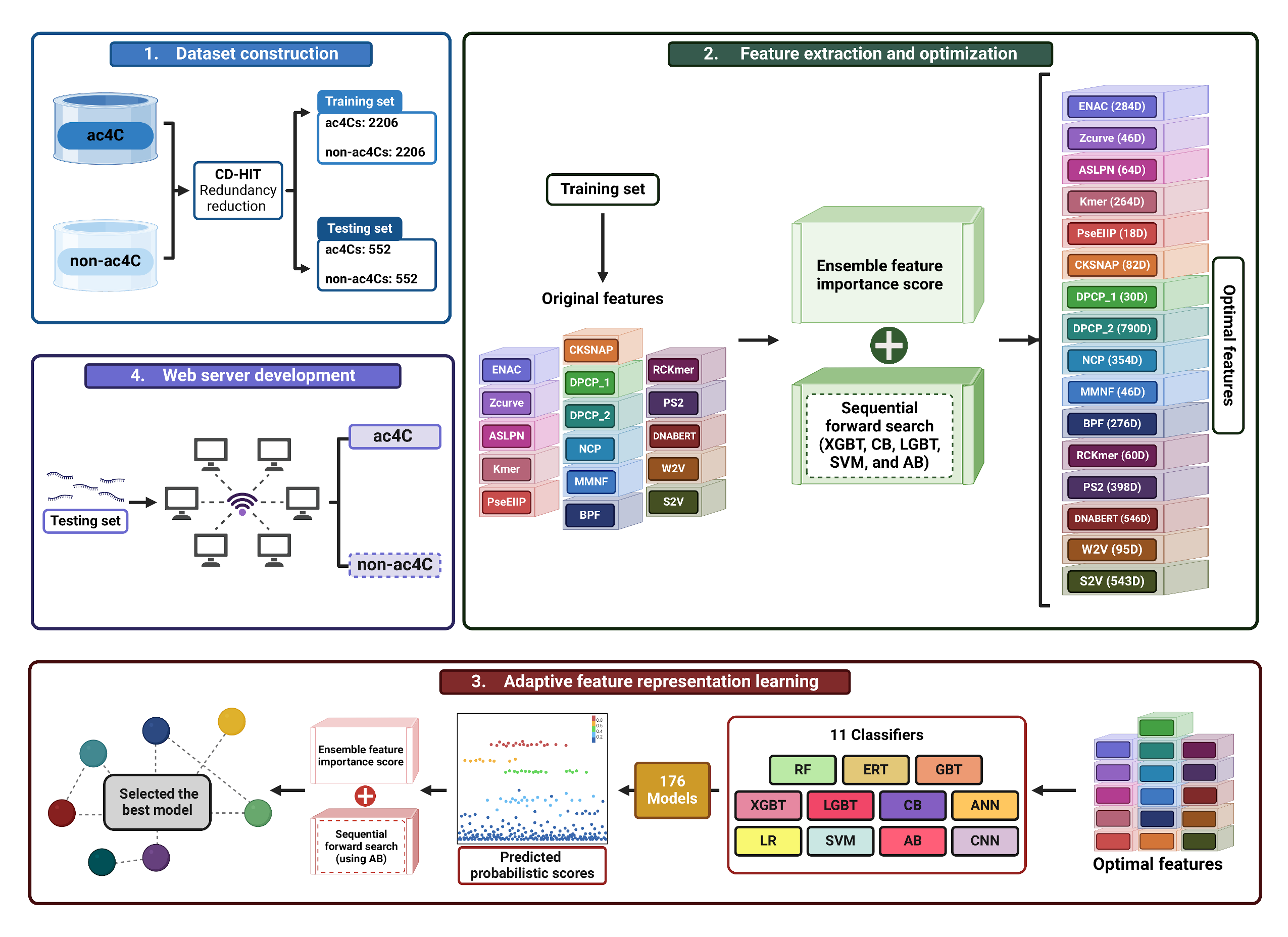
- ac4C-AFL: A high-precision identification of human mRNA N4-acetylcytidine sites based on adaptive feature representation learning
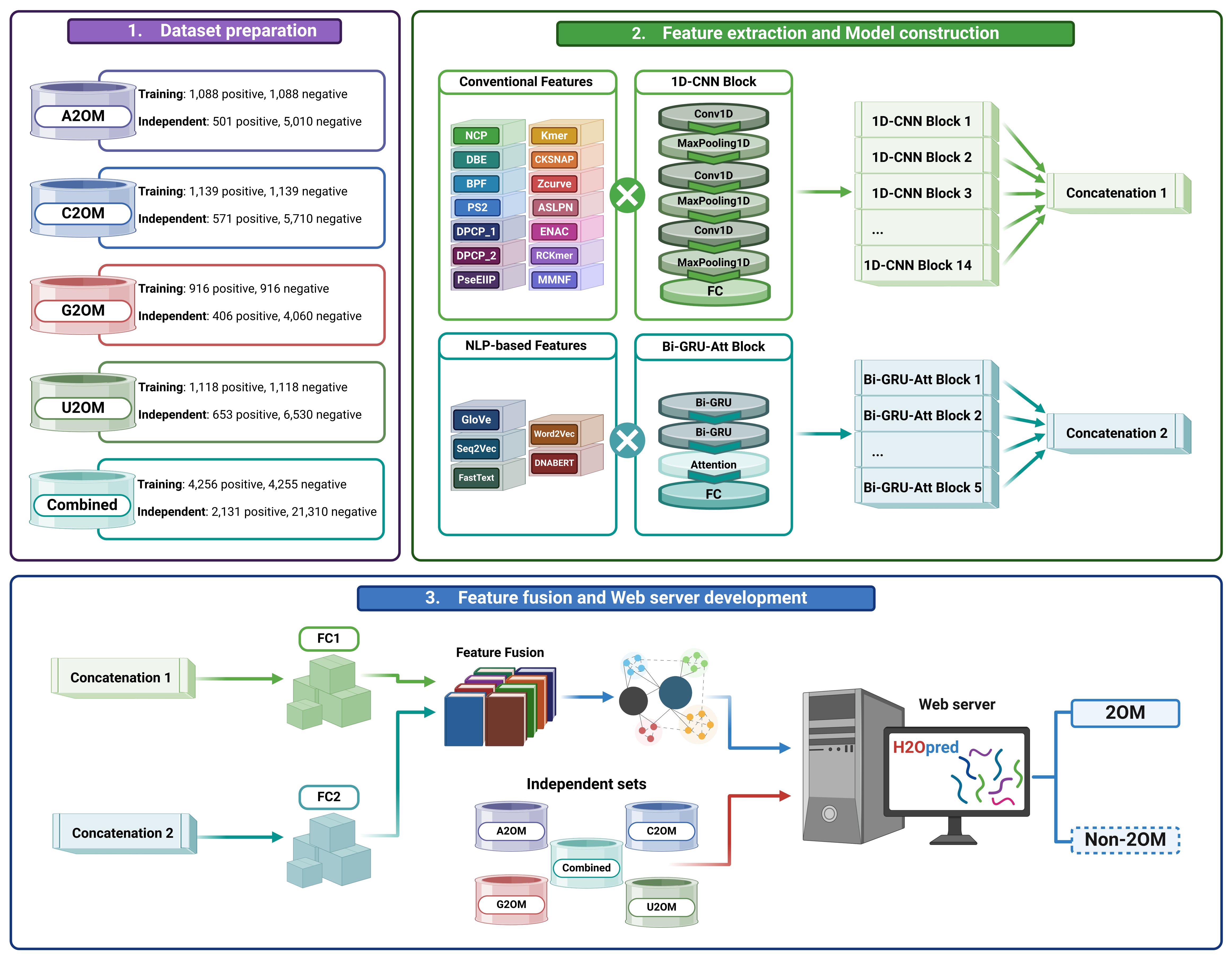
- H2Opred: a robust and efficient hybrid deep learning model for predicting 2’-O-methylation sites in human RNA
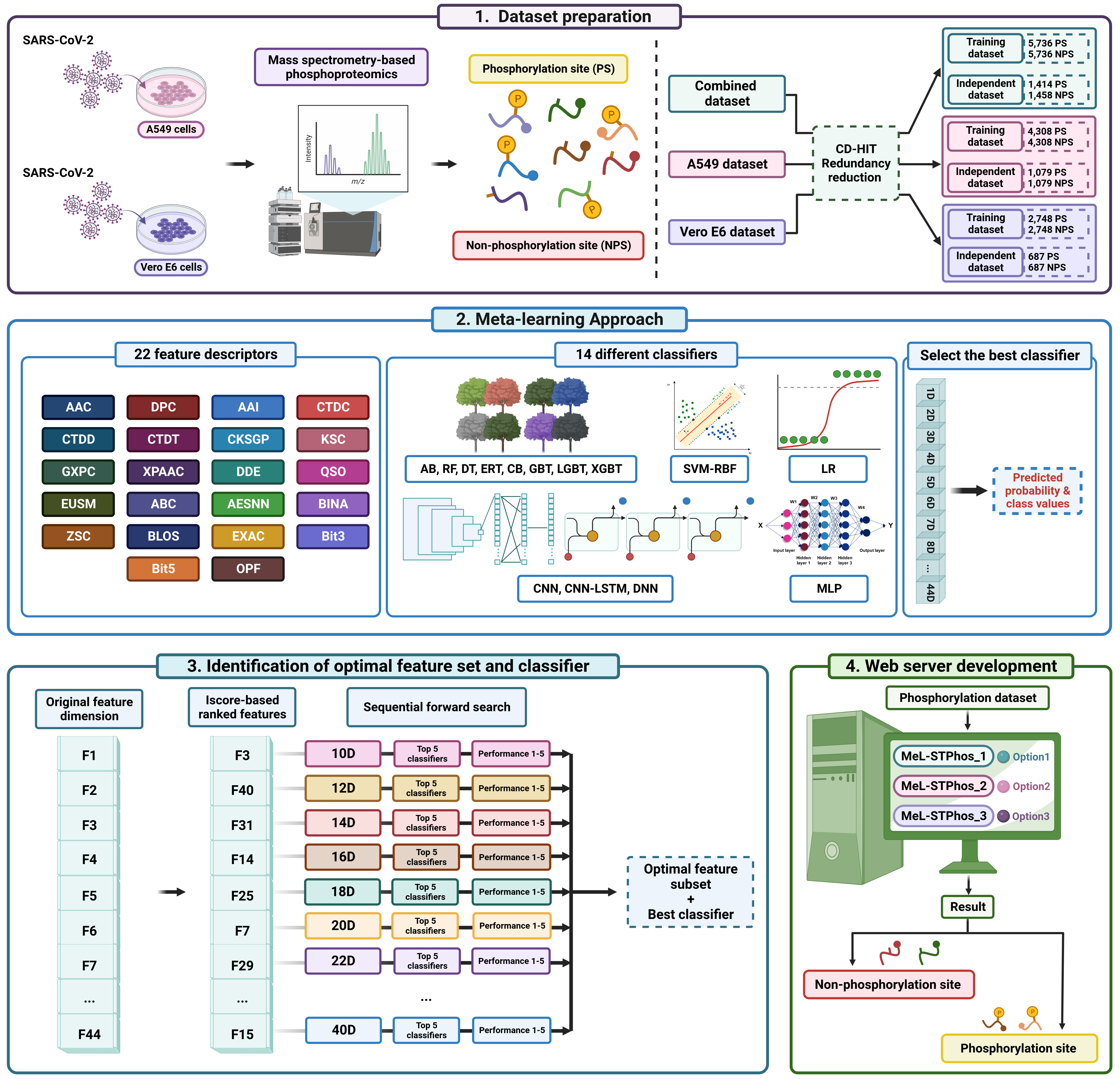
- Advancing the accuracy of SARS-CoV-2 phosphorylation site detection via meta-learning approach